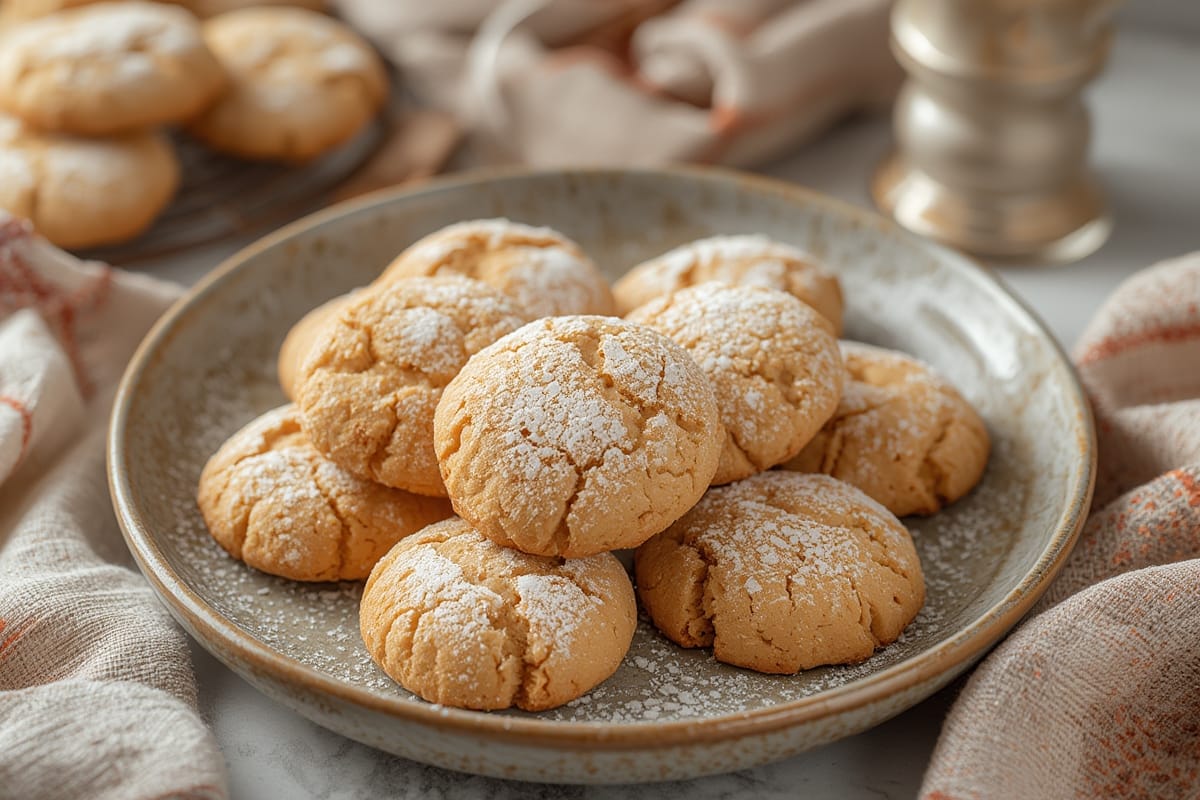
The Secret to Perfectly Soft Sugar Cookies: A High Butter Ratio
There's something undeniably magical about a perfectly soft sugar cookie. That melt-in-your-mouth texture, delicate sweetness, and comforting aroma evoke feelings of warmth and nostalgia. While sugar cookies are a beloved classic, achieving that coveted pillowy softness can often feel like a baking enigma. Many
sugar cookie recipes yield crunchy, crisp, or even dry results. But what if we told you the secret to truly tender sugar cookies lies in one simple, yet powerful, adjustment to your ingredient ratios?
The key to unlocking unparalleled softness in your sugar cookies is a *high butter-to-flour ratio*. This isn't just about adding more fat; it's about understanding how butter interacts with other ingredients to create a rich, moist, and wonderfully tender crumb. Forget the fuss of intricate decorating; some days, you just need a straightforward, impossibly soft sugar cookie to enjoy with a cup of coffee or a glass of eggnog. If speed is also a priority for your cookie craving, check out our guide to
Fast & Easy Soft Sugar Cookies: Just 7 Ingredients, Under 1 Hour.
The Golden Ratio: Unpacking the High Butter Secret
At the heart of every truly soft sugar cookie lies a generous amount of butter. While butter is a standard ingredient in most cookie recipes, its proportion relative to flour is what makes all the difference here. In a typical sugar cookie designed for cut-outs and decorating, the butter-to-flour ratio is carefully balanced to ensure the dough is sturdy enough to hold its shape. However, when maximum softness is the goal, we lean into butter's incredible tenderness-contributing properties.
So, why does more butter lead to a softer cookie?
- Moisture and Richness: Butter is primarily fat, but it also contains a small amount of water. This fat content adds significant moisture to the dough, preventing it from drying out during baking. The result is a richer, more luxurious cookie that stays moist long after it cools.
- Interfering with Gluten Development: Flour contains proteins that, when hydrated and mixed, form gluten. Gluten provides structure and elasticity, which is great for bread, but can lead to tough cookies. Fat, especially butter, coats these flour particles, inhibiting excessive gluten development. This interference is crucial for creating a delicate, crumbly, and exceptionally tender texture.
- Flavor and Mouthfeel: Beyond texture, butter brings an unmatched depth of flavor and a pleasing mouthfeel. A high butter content contributes to that melt-in-your-mouth sensation that is the hallmark of a truly great soft cookie.
When you combine a generous amount of butter with the right supporting cast of ingredients and baking techniques, you create a cookie that is soft in the center, delicately crisp around the edges, and bursting with classic sugar cookie goodness.
Beyond Butter: Other Pillars of Softness
While a high butter ratio is paramount, it's not the only factor in achieving perfectly soft sugar cookies. Several other ingredients and their proportions play crucial supporting roles in building that desirable texture:
- Eggs for Moisture and Structure: Most soft sugar cookie recipes call for two eggs, which is often more than found in crisper cookie variations. Eggs are rich in fat and water, adding significant moisture to the dough, much like butter. They also act as an emulsifier, binding ingredients together and contributing to a slightly chewy, yet tender, crumb. The protein in eggs helps create a stable structure without making the cookie tough.
- Baking Powder for a Light, Cakey Lift: Unlike baking soda, which needs an acidic ingredient to activate fully, baking powder is a complete leavening agent that contains both an acid and a base. Its inclusion in a soft sugar cookie recipe is key to providing a gentle lift and a slightly cakey texture. This aeration prevents the cookies from becoming dense, contributing to their overall lightness and softness.
- The Role of Sugar: Beyond sweetness, sugar plays an important role in the texture of cookies. It not only tenderizes the dough by interfering with gluten formation (similar to fat) but also attracts and holds onto moisture, keeping the cookies soft. Granulated sugar, in particular, contributes to browning and a slight crispness on the exterior.
- Vanilla Extract: While not directly impacting texture, a good quality vanilla extract (or even vanilla bean paste) is essential for flavor. It complements the richness of the butter and eggs, enhancing the overall sensory experience of your soft sugar cookies.
Baking for Bliss: Techniques for Optimal Softness
Even with the perfect ingredient ratio, subpar baking techniques can sabotage your efforts. Here are the essential methods to ensure your soft sugar cookies emerge from the oven in peak condition:
- Room Temperature Ingredients are Non-Negotiable: Always start with room temperature butter and eggs. Room temperature butter creams beautifully with sugar, creating a light, fluffy mixture that incorporates air, leading to a softer, more voluminous cookie. Cold butter won't cream properly, and cold eggs can cause the butter to seize, resulting in a lumpy, less homogenous dough. If you're short on time, cut butter into smaller pieces to help it soften faster.
- Creaming Butter and Sugar Properly: This initial step is vital. Beat the butter and sugar together until the mixture is light, pale, and fluffy. This process incorporates air, which contributes to the cookie's tender texture. If you don’t have an electric mixer, you can cream butter and sugar by hand: start with a wooden spoon, then whisk vigorously with a fork like you would scrambled eggs for 5-7 minutes until pale and creamy.
- Size Matters: Don't Skimp on the Scoop: Larger cookies tend to bake up softer in the middle. Using a 1/3 cup scoop, for example, creates substantial cookies that take longer to spread out in the oven. This extended baking time allows the edges to set and become delicately crisp, while the larger mass of dough in the center remains wonderfully soft and chewy. If you opt for smaller cookies, remember to significantly reduce the baking time.
- The Critical "Don't Overbake" Rule: This is arguably the most crucial tip for soft sugar cookies. Overbaking is the quickest way to turn a potential masterpiece into a dry, crumbly disappointment. Keep a close eye on your cookies. As soon as the edges start to look lightly golden and the centers appear just set (they might still look slightly underbaked), pull them out of the oven. They will continue to "carry over" cook and set up on the hot baking sheet as they cool.
- Cooling on the Baking Sheet: Once removed from the oven, allow the cookies to rest on the hot baking sheet for 5-10 minutes. This continued residual heat helps them firm up without overbaking, preventing them from falling apart when transferred. After this initial cooling period, move them to a wire rack to cool completely.
- Rolling in Sugar for Sparkle and Texture: While optional, rolling the scooped cookie dough in granulated sugar before baking adds a delightful crunch and visual sparkle to the exterior. It's a small step that enhances both the taste and presentation, offering a textural contrast to the soft interior.
FAQs & Pro Tips for Your Soft Sugar Cookie Journey
Let's address some common questions and offer additional insights to perfect your soft sugar cookie game:
*
Can this recipe be used for cut-out cookies? Unfortunately, no. The very qualities that make these cookies so wonderfully soft – the high butter ratio and leavening – also cause them to spread considerably during baking. This will result in your cut-out shapes losing all definition. For sturdy, no-spread cookies perfect for intricate decorating, you'll need a different dough specifically designed for that purpose. We highly recommend our guide to
Master No-Spread Cut-Out Sugar Cookies: Perfect for Decorating for those occasions.
*
Can I make the dough ahead of time? Absolutely! This is a fantastic time-saver.
- Refrigeration: The prepared cookie dough can be stored in a bowl, tightly covered with plastic wrap or in an airtight container, in the refrigerator for up to two days. Chilled dough might be a bit firm; allow it to come to room temperature for about 15-20 minutes before scooping, or if still too firm, you can gently knead it a bit to make it pliable.
- Freezing: For longer storage, scoop the dough into individual balls and arrange them on a baking sheet. Freeze until solid, then transfer the frozen dough balls to an airtight freezer-safe bag or container. They can be stored for up to three months. When ready to bake, place the frozen dough balls on a baking sheet and bake directly from frozen, adding 1 to 2 minutes to the bake time.
*
What about flavor variations? While classic vanilla is superb, don't hesitate to experiment! A touch of almond extract pairs beautifully with vanilla, or consider adding lemon zest for a bright, citrusy twist. Spices like a hint of cardamom or nutmeg can also add a delightful warmth.
*
Storing Baked Cookies: To maintain maximum softness, store your baked sugar cookies in an airtight container at room temperature. For an extra touch of moisture, you can even add half a slice of bread to the container; the cookies will absorb moisture from the bread, keeping them fresh longer.
Embracing a high butter ratio, combined with precise techniques for mixing and baking, truly unlocks the secret to perfectly soft sugar cookies. This simple, unadorned cookie, fresh from the oven, offers a level of comfort and satisfaction that's hard to beat. So, go ahead, grab your ingredients, and get ready to experience the pure joy of a truly tender, melt-in-your-mouth homemade sugar cookie.